How Better Railcar Maintenance Reduces Total Cost of Ownership
Railcar maintenance costs don’t always hit at once. They add up over time.
A shop invoice shows you what the last repair cost. It doesn’t show you what that same railcar has been costing the operation for the last several months while crews worked around it, loading slowed down, or the same complaint kept finding its way back into the maintenance history. That’s where total cost of ownership starts to separate itself from simple repair cost.
A railcar that stays in service and wears the way it should behaves like an asset. A railcar that keeps cycling through the same trouble spots becomes something else. It becomes the car people keep having to think about.
The Cost Usually Starts Before the Car Goes Down
By the time a railcar is officially out of service, the operation has usually been dealing with it for a while.
The signs are rarely dramatic at first. A car doesn’t move quite as cleanly as it used to. Someone notices that the same equipment keeps drawing negative attention. Nothing severe enough to stop everything on the spot, or not yet.
That kind of drag doesn’t show up clearly on a maintenance report, but it’s real. It affects labor, timing, and confidence in the equipment. Once a railcar reaches that point, ownership cost has already started to move in the wrong direction, whether anyone has written it down that way or not.
Repeat Work Changes the Economics Fast
One repair is normal. A railcar fleet is going to need repair work. That is not where cost gets out of hand.
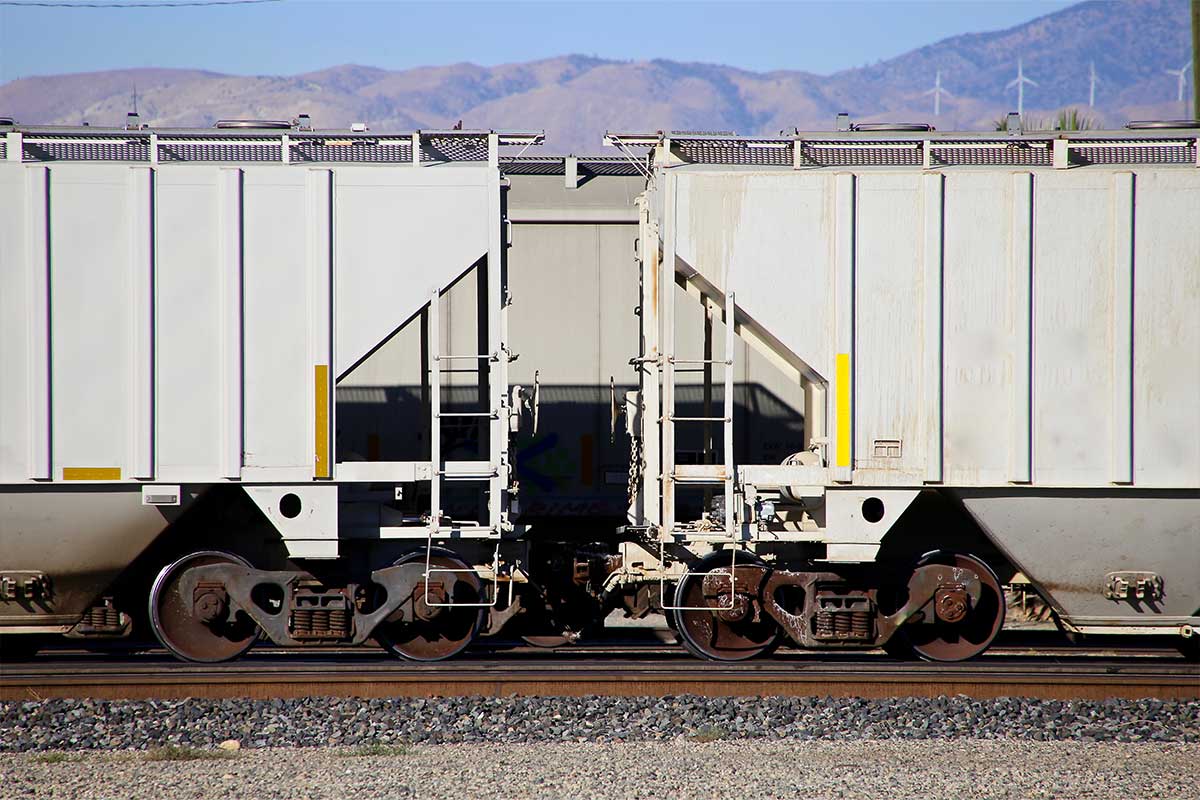
Instead, we see it when a car comes in for brake work, goes back into service, and then returns a few cycles later with wear that points back to the same underlying issue. Draft work does the same thing. The obvious defect gets corrected, but the loading through the system hasn’t changed, so the wear starts showing back up in the same area. Truck assembly work can follow that path too. A component gets replaced, but the way the car is carrying itself under load stays close enough to the same that the problem begins building again.
But here’s where your choice of maintenance partner makes a huge difference: a cheap repair and a low-cost repair are not always the same thing.
That’s one of the hardest things for people to accept when they’re trying to control cost.
The lower invoice doesn’t always lead to the lower ownership cost. Sometimes it does the opposite.
Savings can disappear fast when the same railcar gets taken out of service again and again. Before long, the repair that looked less expensive ends up costing more because it never fully solved the condition behind the complaint.
Better Maintenance Changes the Pattern
Better maintenance doesn’t mean doing more work for the sake of doing more work. It means making decisions that change the railcar’s physical future.
That starts with interpretation. A technician has to read the wear correctly. Not just the failed part, but the surrounding evidence. How has the braking system been wearing? Is the draft system simply showing a failed component, or is it showing repeated run-in and run-out loading that causes the same problem?
Those are the questions that change whether a repair holds up. When the answers are right, the railcar stays in rotation longer.
The Difference Shows Up Over Cycles, Not Days
At Alleanza Rail, we focus on work that holds up in service. We pay attention to repeat conditions, wear patterns, and the way railcars actually perform once they are back under load. That approach helps reduce repeat work, support FRA compliance and AAR standards, and get more useful life out of the equipment.
If you need a reliable partner to keep your rail operations running smoothly with mobile and offsite railcar maintenance and repair, contact Alleanza Rail today.