How Railcar Wear Patterns Reveal Bigger Problems
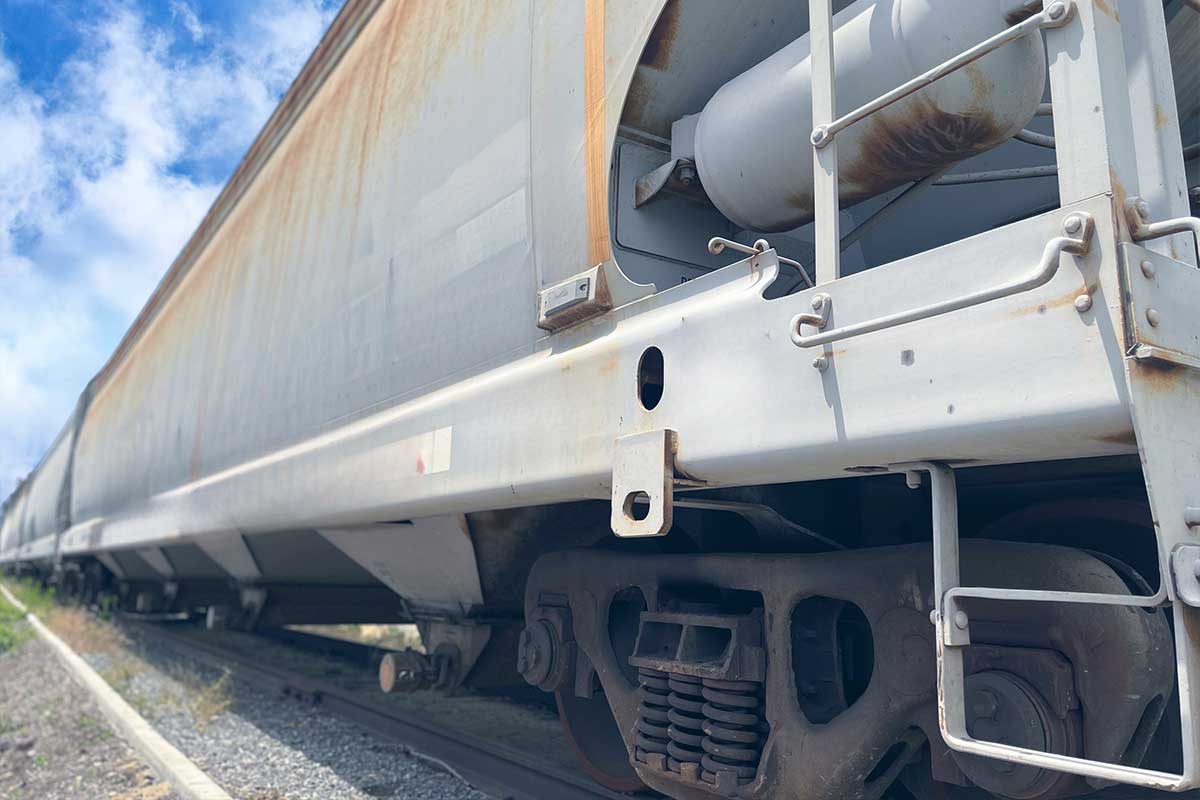
We can learn a lot about a railcar without picking up a tool. All we need to do is look at how it’s wearing. The fact is, most railcars tell a story of their use (or misuse) – and of their tendencies because of previous events. Not in one failure, but in patterns. Where the wear shows up, how it develops, and whether it repeats in the same places. If you pay attention to that, you can sometimes spot problems before they turn into issues that take the railcar out of service.
Knowing how railcar wear patterns reveal bigger problems provides a solid foundation for diagnostics and asset management.
Wear Doesn’t Happen in Isolation
When a component shows wear, it’s tempting to focus on that one part. Replace it, move on, and get the car back into service. But that doesn’t always work when the wear is part of a pattern.
Take braking systems. Uneven wear across brake shoes or rigging may point to something else going on. It may relate to how the system is applying force, how the car has been operating, or how previous work was handled. Similarly, truck assemblies can also show this. Wear don’t come from one bad day. It builds over time.
The key is reading it correctly.
The First Sign Often Avoids Detection
Most wear patterns start small. A component looks a little different than it should. It’s nothing that stops the car, so it stays in service. Time goes by.
By the time the railcar gets flagged, the pattern has already developed and affected components that work together.
We’ve seen railcars come in where the early signs were there for a while. They just didn’t get the attention they needed to be connected to the bigger picture. This is where avoidable downtime comes from.
Wear Patterns Tell You What Happens Next
This is where experience separates basic repair work from quality maintenance.
We’ve worked on cars where the wear pattern told us the problem wasn’t contained to where it first appeared, and understood that fixing the visible issue would have sent the railcar right back into service with the same underlying condition. Instead, we traced it back to how the system was working as a whole and corrected it there.
In high-demand environments across Alabama and the Southeast, that difference matters. Railcars move through heavy cycles, often tied to industrial freight that doesn’t allow much room for inconsistency. When wear patterns get ignored, the operation pays for it later.
Why We Pay Close Attention to Wear at Alleanza Rail
At Alleanza Rail, we treat wear patterns as information, not just damage. Our approach goes beyond replacing parts. Instead, we strive for quality, knowing that repairs that are complete and comprehensive will hold up over time much better than repairs that slap a bandage on the root cause.
If you need a reliable partner to keep your rail operations running smoothly with mobile and offsite railcar maintenance and repair, contact Alleanza Rail today.