What Causes Railcars to Fall Out of Service?
Most out-of-service railcars didn’t start the week looking like a problem.
They were moving, loading. They were still part of the operation. Then something changed. A car got flagged. A crew noticed it was not behaving the same way. A routine issue finally crossed the line into a service problem.
That is usually how it happens.
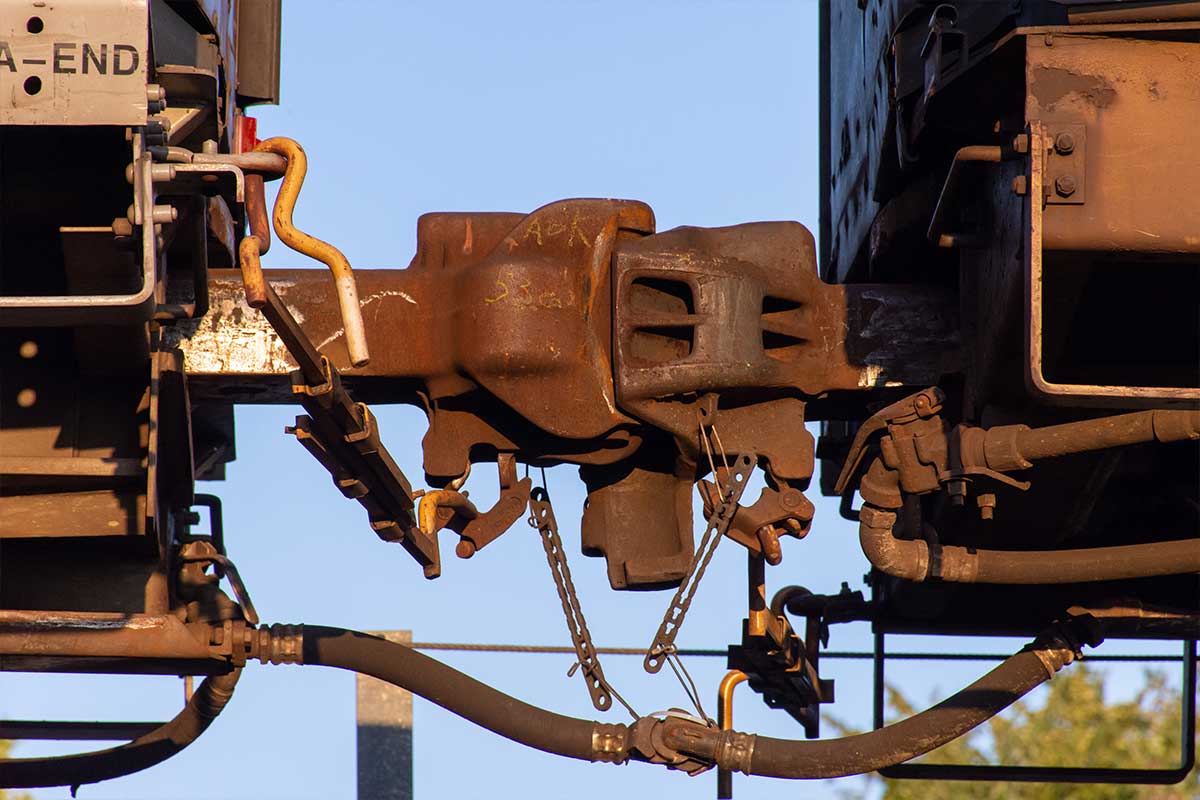
In freight operations, railcars do not fall out of service because of one dramatic moment. They fall out of service because wear builds in places that people grow used to seeing. A brake system starts wearing unevenly. A truck assembly begins to show more movement than it should. A draft system issue gets corrected once, but the same kind of stress keeps showing up in the same area. Eventually, the railcar stops being dependable enough to stay in rotation.
Most Out-of-Service Problems Build Over Time
A lot of what takes a railcar out of service starts as a pattern, not a failure.
The car may still move well enough to keep working. It may still pass through the day without forcing a shutdown. That is exactly why these issues tend to last too long. They do not always demand attention right away. They just keep developing.
We see that in braking systems often. One component shows wear, but the bigger story sits in how the system has been functioning as a whole. The same is true in truck assemblies. Side bearings, center plates, and related wear points can shift gradually until the car stops carrying itself the way it should. Draft systems do it too. A part gets replaced, but the force pattern that wore it down in the first place never changed.
That is when a railcar starts moving toward an out-of-service condition long before anyone writes it up that way.
The Immediate Issue Is Not Always the Real Issue
This is where maintenance either helps or falls short.
A railcar comes in with a clear problem. The obvious issue gets fixed. The paperwork reflects the repair. On paper, the job looks complete.
But that is not always the same thing as solving the problem.
If the team never asked why the wear developed, there is a good chance the car will come back with the same complaint or something related to it. We have seen that happen with braking work that ignored the broader wear pattern. We have seen it with draft system complaints that kept returning because the real stress point was somewhere else in the cycle. We have also seen cars stay in service too long with truck assembly wear that should have been addressed earlier.
That is how out-of-service issues become repeat issues.
Operations Usually Feel the Problem Before the Shop Does
One of the more telling signs is that operations teams often notice the change before the railcar officially drops out of service.
A car starts taking more attention than it used to. Crews work around it a little more carefully. Loading or switching does not move as cleanly as expected. The railcar is still technically in use, but nobody fully trusts it.
That is an important stage. It is where a good maintenance partner can still step in before the issue grows into downtime, scheduling changes, or larger repair work.
Once a railcar reaches the point where it is out of service, the cost is no longer just mechanical. It starts affecting throughput, labor, and timing across the operation.
Keeping Railcars in Service Takes Better Judgment
This is why we put so much value on judgment, not just repair activity.
Anyone can respond to the issue that is easiest to see. The harder part is understanding how the railcar got there. That takes more than swapping out worn parts. It takes attention to wear history, system interaction, and the kind of real-world operating conditions that keep showing up across Alabama and the Southeast.
At Alleanza Rail, we look at out-of-service issues as the result of a maintenance story that started earlier. Our job is to read that story correctly, fix what needs fixing, and help keep the railcar from coming back with the same problem.
If you need a reliable partner to keep your rail operations running smoothly with mobile and offsite railcar maintenance and repair, contact Alleanza Rail today.