What It Takes to Maintain Railcars in High-Volume Freight Corridors
Railcars in high-volume freight corridors don’t spend time sitting still. They move through repeated loading, switching, and transit cycles with very little downtime. That kind of use changes how maintenance has to be approached.
In a lighter-use environment, a small issue may take longer to show itself. In a busy corridor, wear develops faster, and maintenance has to keep pace. That’s why proactive. quality railcar maintenance in these conditions depends on consistency, judgment, and a clear understanding of how the car is being used.
Frequent Service Cycles Change the Maintenance Demands
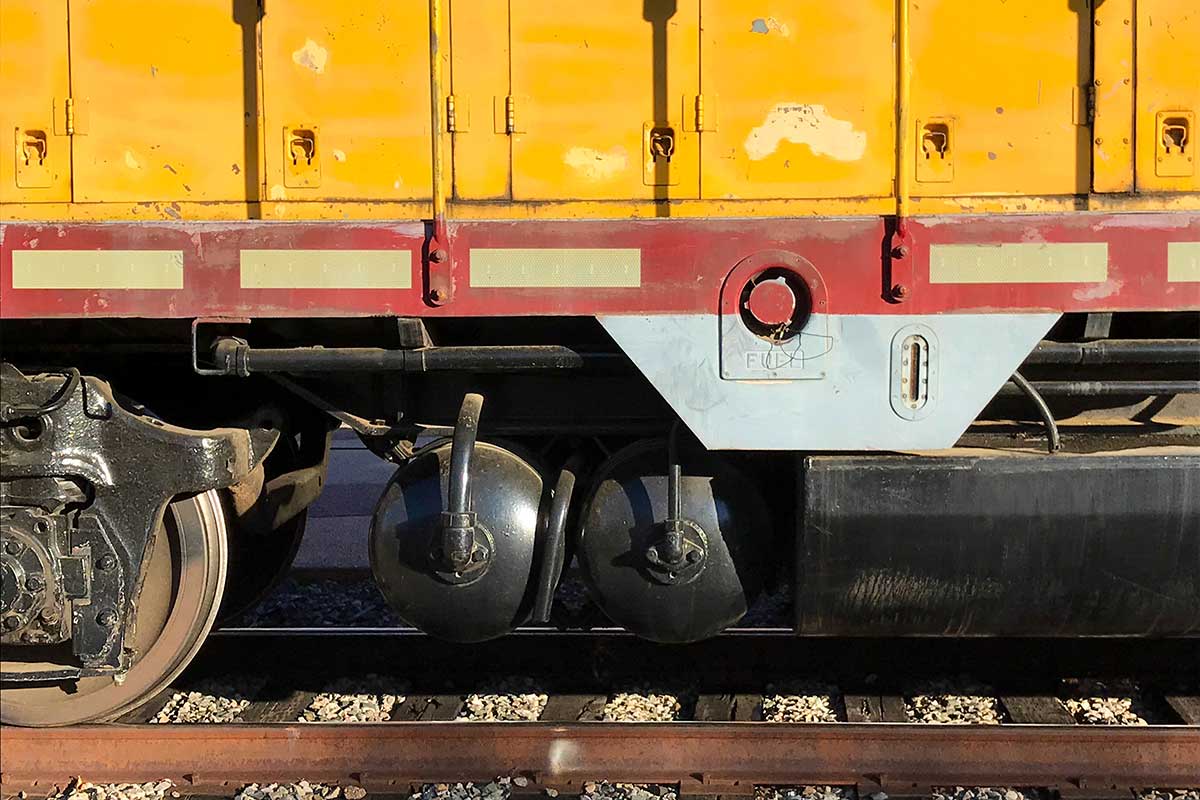
A railcar that stays in constant rotation sees the same systems stressed again and again. Braking components cycle continuously. Truck assemblies carry repeated load. Draft systems absorb constant run-in and run-out loading. Over time, that repeated use affects how parts wear and how systems interact.
Good maintenance starts with recognizing that these cars don’t behave like lightly used equipment. A shop can’t treat every railcar the same way if some of them move through a much harder service pattern than others.
Thorough Inspection + Consistency = Quality
On busy railcars, the visible issue isn’t always the whole issue.
A technician may find a worn component and replace it, but that alone doesn’t explain how the wear developed. In high-volume service, a lot depends on whether the shop understands the pattern behind the defect. That’s where good maintenance earns its value. It doesn’t stop at the first obvious problem.
Heavy-use railcars don’t give maintenance teams much margin for uneven work. If one inspection is thorough and the next one is rushed, the difference shows up quickly once the car goes back into service.
That’s why process matters so much. Good shops evaluate the same systems with the same discipline every time. They document what they find. They pay attention to repeat wear. They don’t rely on memory or assumptions when the railcar has already been through multiple service cycles.
Quality Work Requires Experience
Busy railcars leave clues. Wear patterns, repeated complaints, and changes in how the car handles all point to how the systems are functioning over time. Reading those clues takes experience.
A knowledgeable maintenance team knows the difference between normal wear and a condition that’s building toward a larger issue. It knows when a repair can stay narrow and when the railcar needs a broader look. That judgment makes a difference in whether the work holds up or the car comes back with the same problem later.
How Alleanza Rail Approaches High-Volume Service
At Alleanza Rail, we maintain railcars that work hard and stay in rotation. Our approach reflects that reality. The demands placed on freight equipment across Alabama and the broader Southeast require a maintenance team focused on quality first.
But quality maintenance on busy railcars isn’t about doing more work than necessary. It’s about doing the right work with enough accuracy to keep the railcar dependable in service.
If you need a reliable partner to keep your rail operations running smoothly with mobile and offsite railcar maintenance and repair, contact Alleanza Rail today.