Why Draft System Issues Keep Coming Back
Draft system problems usually come back for one reason. The first repair corrected the failed part, but it did not change the condition that wore that part out in the first place.
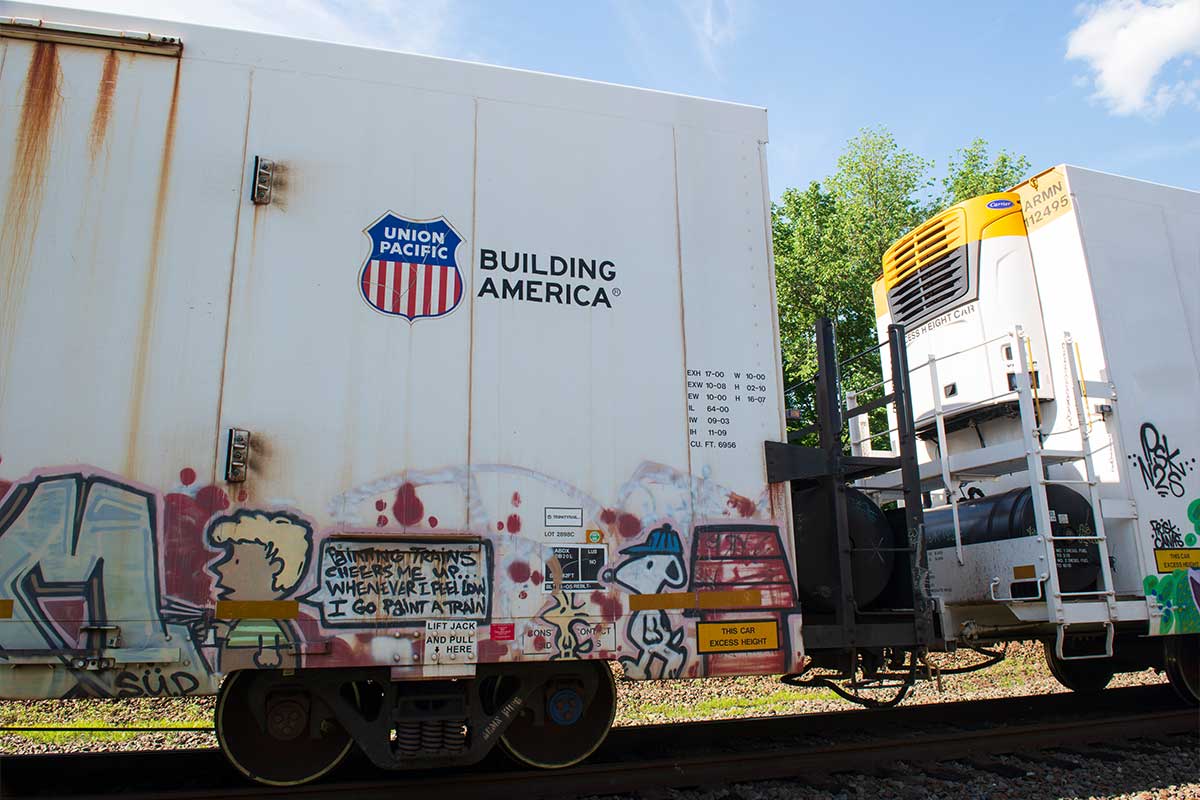
A railcar comes in with a draft complaint. The obvious component gets replaced. The defect clears. The car goes back into service. Then it returns later with wear in the same area, or with a complaint that points back to the same loading condition.
The Wear Usually Returns to the Same Places
When draft system issues repeat, you see it in how the draft gear seats, how the yoke carries load, or where the system keeps taking the same run-in and run-out stress.
That matters because repeated wear in the same location can point to a condition, not an isolated event.
The railcar may last long enough to make the repair look successful. Then the same area starts showing the same story again. The part is new. The usage is not.
Replacing the Failed Part Does Not Reset Usage
This is where a lot of draft work falls short.
A shop replaces the part that failed because it is visible, measurable, and easy to write up. Sometimes that is all the repair order calls for. But draft systems do not take load one part at a time. They take load as a system.
If the railcar still transfers force through the same area the same way, the next component installed there often starts following the same wear path. That is why a repeat draft complaint does not always point to a bad part. It usually points to a wear condition that the first repair never changed.
Habits Leave a History
Draft systems live under repeated run-in and run-out loading. That is normal service. The problem starts when the system no longer manages that loading the way it should, or if the process is repeated without regard for the railcar itself. Once that happens, the history starts showing up in the parts.
This is where technical judgment matters.
A strong shop does more than identify the failed component. It reads the railcar. It looks at how the system has been carrying load, where the wear has been returning, and whether the complaint fits the same pattern the car showed before.
That may mean the repair goes further than the first write-up suggested. It may mean providing recommendations for usage that are more than diagnostic – they’re prescriptive.
Repeat Draft Issues Turn Into Operations Problems
Once a draft complaint repeats, the cost moves beyond the shop. The railcar spends more time out of service. Scheduling tightens. Crews start adjusting around equipment that no longer stays in rotation the way it should. At that point, the issue is no longer just mechanical. At Alleanza Rail, we look at draft complaints through that lens.
If you need a reliable partner to keep your rail operations running smoothly with mobile and offsite railcar maintenance and repair, contact Alleanza Rail today.