Why Railcar Maintenance Is Different in the Southeast US
A railcar that runs in the Southeast doesn’t live the same life as one running somewhere drier, cooler, or less industrial.
That sounds obvious, but it matters more than a lot of maintenance programs account for.
The Southeast puts railcars through a particular mix of conditions. High humidity works on air systems and exposed surfaces. Heavy industrial freight puts steady force through draft systems, truck assemblies, and braking components. In places like Alabama, where steel, aggregate, and other bulk materials move through busy corridors, railcars don’t just age. They get worked hard, and they get worked often.
That changes what good maintenance looks like.
The Environment Gets Into the Equipment
Humidity is not just a weather issue. In this region, it becomes a maintenance issue.
Air systems feel it. Surfaces that already see wear start holding moisture longer. Components that might behave one way in a drier environment can start showing problems earlier here, especially when the railcar doesn’t get enough time out of service for anyone to catch the early signs.
That doesn’t mean every car in the Southeast is headed for trouble. It means the conditions accelerate certain kinds of trouble if maintenance stays too generic.
A shop has to know the difference.
The Freight Mix Matters Too
This part gets overlooked.
Railcars running through the Southeast often support manufacturing plants, aggregate movement, steel operations, and other industrial loads that put repeat stress on the same systems. The railcar may still be within limits. It may still move the way it needs to. But over time, the wear starts telling you what kind of life that car has been living.
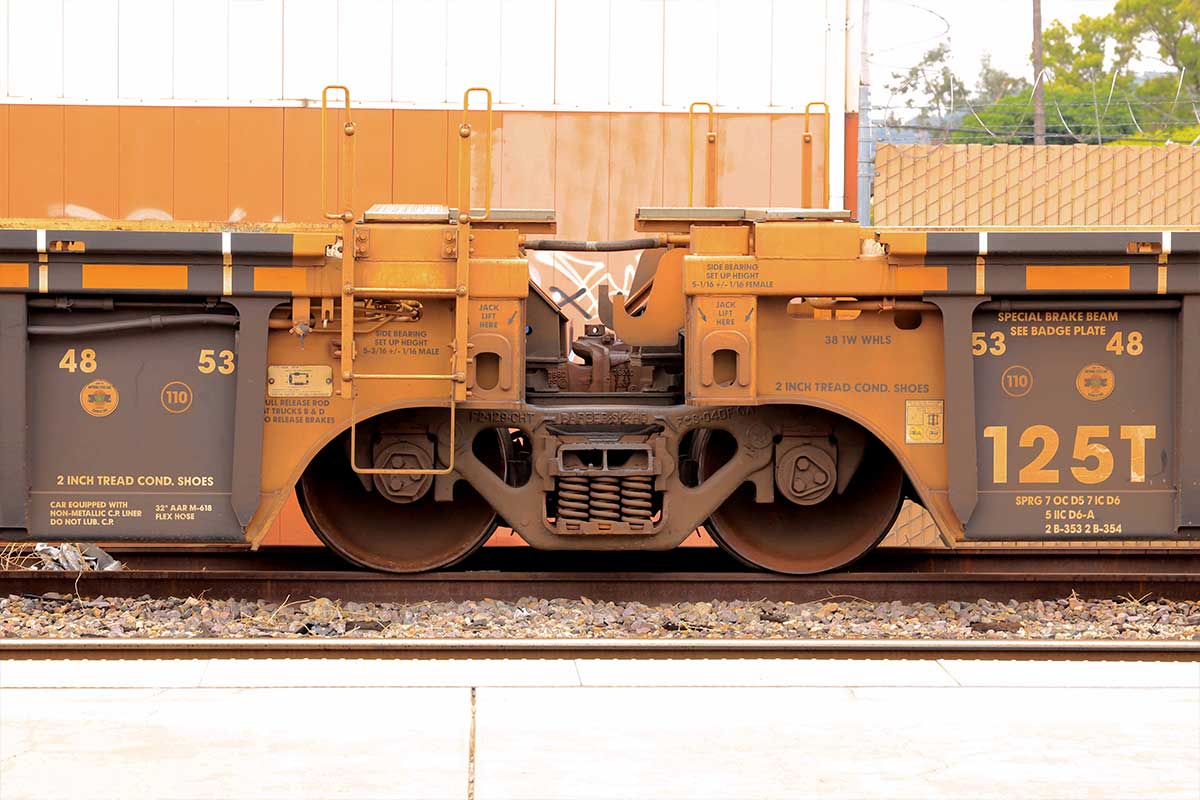
You’ll see it in truck assemblies that carry load a little differently than they used to. You’ll see it in braking systems that start wearing with a pattern, not just with age. Draft systems do it too. The complaint may look straightforward at first, but the wear behind it usually reflects repeated service conditions, not one isolated event.
That matters because maintenance has to respond to the railcar’s actual use, not just the latest write-up.
The Southeast Does Not Give You Much Margin for Lazy Maintenance
Some regions give you more time. This one usually doesn’t.
A railcar in a busy Alabama or broader Southeast freight cycle can stay useful long enough to hide a developing problem. It doesn’t fall out of service right away. It just becomes the car people start working around. Loading takes a little more attention. Switching gets less clean. The same complaints start showing up in conversation before they show up in the paperwork.
That is usually where the real maintenance story begins.
By the time the car is officially down, the operation has already been paying for it in smaller ways.
Why a Standard Program Is Not Always Enough
This is where the difference shows up between a maintenance plan that looks good on paper and one that actually works in this region.
A standard program may cover the basics. It may catch obvious wear, clear the immediate issue, and move the railcar forward. But Southeast service conditions tend to expose shallow maintenance pretty quickly. If the work does not account for how the car has been carrying load, where moisture has been building, or how repeated freight cycles have been affecting key systems, the same railcar often comes back with a version of the same problem later.
That is not because the standards were wrong. It is because the maintenance stopped at the obvious point instead of reading the full condition.
What a Better Southeast Approach Looks Like
A better approach starts by accepting that these railcars are not operating in neutral conditions. The environment matters. The freight matters. The corridor matters.
That means maintenance has to do more than check components against a list. It has to look at wear history, repeated stress, and the way the railcar has actually been performing in service. It has to pay attention to truck assemblies, draft systems, braking systems, and the kinds of repeat conditions that show up when a car keeps taking the same load in the same environment.
At Alleanza Rail, we work with those realities every day. We support operations across Alabama and the Southeast with maintenance that reflects how freight equipment actually wears in this region, not how it wears in theory.
If you need a reliable partner to keep your rail operations running smoothly with mobile and offsite railcar maintenance and repair, contact Alleanza Rail today.